Introduction
Comic strips combine images and text to tell short stories. People use them to make jokes, explain ideas, share personal experiences and teach in classrooms. Their short format makes them easy to read and approachable for beginners. In this guide, you will learn what a comic strip is, how comic strips work, the features they use and how to create one yourself.
What is a comic strip?
A comic strip is a short sequence of illustrated panels that uses images, dialogue, captions, and visual cues to tell a story, explain an idea or deliver a punchline. The format is flexible, accessible and adaptable, making it useful for humour, education, personal storytelling and short visual narratives.
They are usually short and often fit onto a single page or within a short row of panels. Many comic strips contain between three and six panels, although some use more depending on the story and format. The goal is to communicate one focused moment, idea or sequence clearly and quickly.
A Brief History of Comic Strips
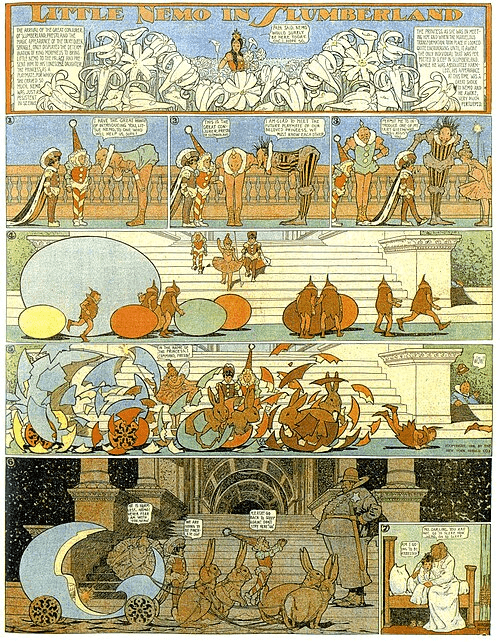
Comic strips became popular in newspapers during the late nineteenth and early twentieth centuries. Publishers used short illustrated stories to entertain readers and encourage people to buy daily papers. Early comic strips often featured recurring characters, visual jokes and serialised stories.
As printing methods improved, comic strips became a regular part of newspapers around the world. Many readers followed the same characters each week, which helped create strong audience loyalty. Some strips focused on humour, while others explored adventure, family life or social commentary.
Over time, comic strips expanded beyond newspapers and magazines. Artists began publishing comics online, which allowed webcomics to reach global audiences. Creators share them through websites, social media platforms, educational resources and self-publishing.
Key Features of a Comic Strip
The main comic strip features involve several visual and written elements to guide readers through a story:
Panels
Panels are the individual frames that show moments in the story. Each panel presents a piece of action, dialogue or information. Together, the panels create the full sequence of events.
Gutters
Gutters are the spaces between panels. Readers mentally connect what happens between each scene. Wider gaps can slow pacing, while narrow gaps can create faster movement.
Speech Bubbles
Speech bubbles contain spoken dialogue. They help readers identify who is talking and how characters interact.
Thought Bubbles
Thought bubbles show a character’s internal thoughts or reactions. They often reveal emotions, opinions or private concerns.
Captions
Captions provide narration or extra context. Creators use them to explain settings, introduce scenes or describe actions that may not appear directly in the artwork.
Sound Effects
Sound effects are visual words that represent noises or actions. Words such as BANG, CRASH, or WHOOSH add movement and energy to a scene.
Characters and Expressions
Facial expressions, posture and body language communicate emotion quickly. Readers can often understand how a character feels before reading any dialogue.
Reading Order
Comic strips follow a clear reading path across the panels. In English-language comics, readers usually move from left to right, while publications in Japanese (such as Manga) are read from right to left. Clear panel order ensures the story flows naturally.

Comic Strip vs Comic Book
Comic strips and comic books both combine images and text, but they differ in length, structure and reading experience.
| Element | Comic Strip | Comic Book |
| Length | Short, often one page or less | Longer, usually multi-page |
| Structure | One scene, joke or idea | Larger story or chapter |
| Panel Count | Often 3-6 panels total | Multiple pages with varied layouts |
| Use | Newspaper strips, classroom projects, webcomics, and short visual stories | Comics, graphic novels, serialised stories and long-form narratives |
| Reading Experience | Quick and self-contained | More detailed and immersive |
Comic strips focus on short stories while comic books allow creators to develop longer plots, worlds and more complex character arcs. Many creators begin with comic strips before moving into larger projects because the shorter format allows them to experiment before committing to a final concept.
For more information on how to print a comic book, visit How to Make a Comic Book on our blog.
What is the purpose of a comic strip?
The purpose of a comic strip is to tell a story, explain an idea or deliver a message quickly through images and text.
The format works well because each panel focuses on a specific moment, action or reaction. Short scenes, expressions and dialogue help readers understand emotions, pacing and context without long explanations.
Comic strips are often used to:
- Explain information clearly
- Make stories easier to follow
- Improve reader engagement
- Break down complex ideas into smaller parts
- Support visual learning
- Present emotions and actions quickly
- Deliver short jokes or punchlines effectively
Teachers often use comic strips in classrooms because visual storytelling can improve understanding and encourage participation. Writers and artists also use comic strips to test ideas, practice storytelling and experiment with pacing in a shorter format.
Common Types of Comic Strips
Comic strips appear in many formats and styles, including:
- Humour: Short comics built around jokes, misunderstandings or punchlines.
- Educational: Comics that explain lessons, concepts or historical events visually.
- Slice-of-life: Stories based on everyday experiences, routines and relationships.
- Newspaper: Traditional serialised strips published in newspapers or magazines.
- Webcomics: Digital comic strips shared through websites, blogs or social media platforms.
- Political or satire: Comics that comment on politics, current events or social issues.
- Silent comics: Comics that tell stories without dialogue by relying on actions and expressions.
Comic Strip Ideas
Starting with a simple idea can make the creation stage feel less intimidating. Many successful comic strips focus on ordinary situations with a creative twist. Here are some beginner-friendly comic strip ideas:
- A funny classroom misunderstanding
- A pet describing its daily routine
- A superhero solving a small everyday problem
- A silent comic with no dialogue
- A historical event retold through panels
- A magical object causing unexpected trouble
- A morning routine going completely wrong
- A comic explaining a science concept
- A character trying something new for the first time
- A three-panel joke with a surprise ending
- A friendship problem solved through teamwork
- A comic showing cause and effect
For more creative inspiration, visit Comic Book Ideas on our blog.

How to Create a Comic Strip
To learn how to create a comic strip, start by breaking the process into small steps:
- Choose one simple idea: start with one clear moment, joke or concept. Avoid adding too many characters or plot points at first.
- Pick a main character: Give readers someone to follow. Even simple characters become memorable through expressions and reactions.
- Decide on the setting: Choose where the story takes place. A classroom, bedroom, park or café can provide visual context.
- Plan the beginning, middle and ending: Even short comic strips need structure. Introduce the idea, develop the situation and end with a result, reaction or punchline.
- Sketch the panels: Draw rough layouts before creating the final version. Most beginner comic strips use between three and six panels.
- Add dialogue and captions: Keep dialogue concise and easy to read. Use captions only when they add useful context.
- Check the story flow: Read the comic from beginning to end. Make sure the pacing feels natural, and the sequence is easy to follow.
- Revise if necessary: Adjust panel size, dialogue or layout if any part feels confusing. Even small edits can improve clarity significantly.
- Finish the final version: You can create comic strips by hand or digitally using drawing software and online tools. Focus on communication rather than perfect artwork.
Useful Resources for Comic Strip Inspiration
Here are a few resources to help you learn more about comic storytelling, visual structure and comic history:
- Comic Book Plus: A large archive of public domain comics and newspaper strips
- Panels and Prose: Articles and resources focused on comic storytelling and writing
- Comic Strip Library: A resource dedicated to classic comic strips and creators
Studying existing comic strips can give you a foundation for sequential storytelling.
Frequently Asked Questions
What are the main features of a comic strip?
Comic strips usually include panels, speech bubbles, captions, characters, visual expressions and short sequences of action. These elements work together to tell a story clearly and quickly.
What is the difference between a comic strip and a comic book?
Comic strips are short and often self-contained, while comic books contain longer stories spread across multiple pages or chapters.
How many panels are in a comic strip?
Many comic strips use between three and six panels, although some formats use more depending on the story and layout.
Why are comic strips used in education?
Comic strips combine visuals and text to help students understand information more easily. Teachers often use them to explain concepts, encourage creativity and improve engagement.
Can comic strips tell serious stories?
Yes. While many comic strips use humour, others explore emotional, educational or social topics in thoughtful and meaningful ways.
Start Creating Your Own Comic Strip
Comic strips remain simple for creators of all skill levels. By understanding the key elements of visual storytelling, you can start building strong narratives through short-form comics. The best way to learn is to start with a single, simple idea and experiment with a few panels. Over time, small comic strips can grow into larger creative projects and longer stories.
When your comic strip idea grows into a longer project, explore Mixam’s comic book printing page to choose a format to elevate your artwork even further. You can also explore our Book Printing Guide to learn more about high-quality printing.
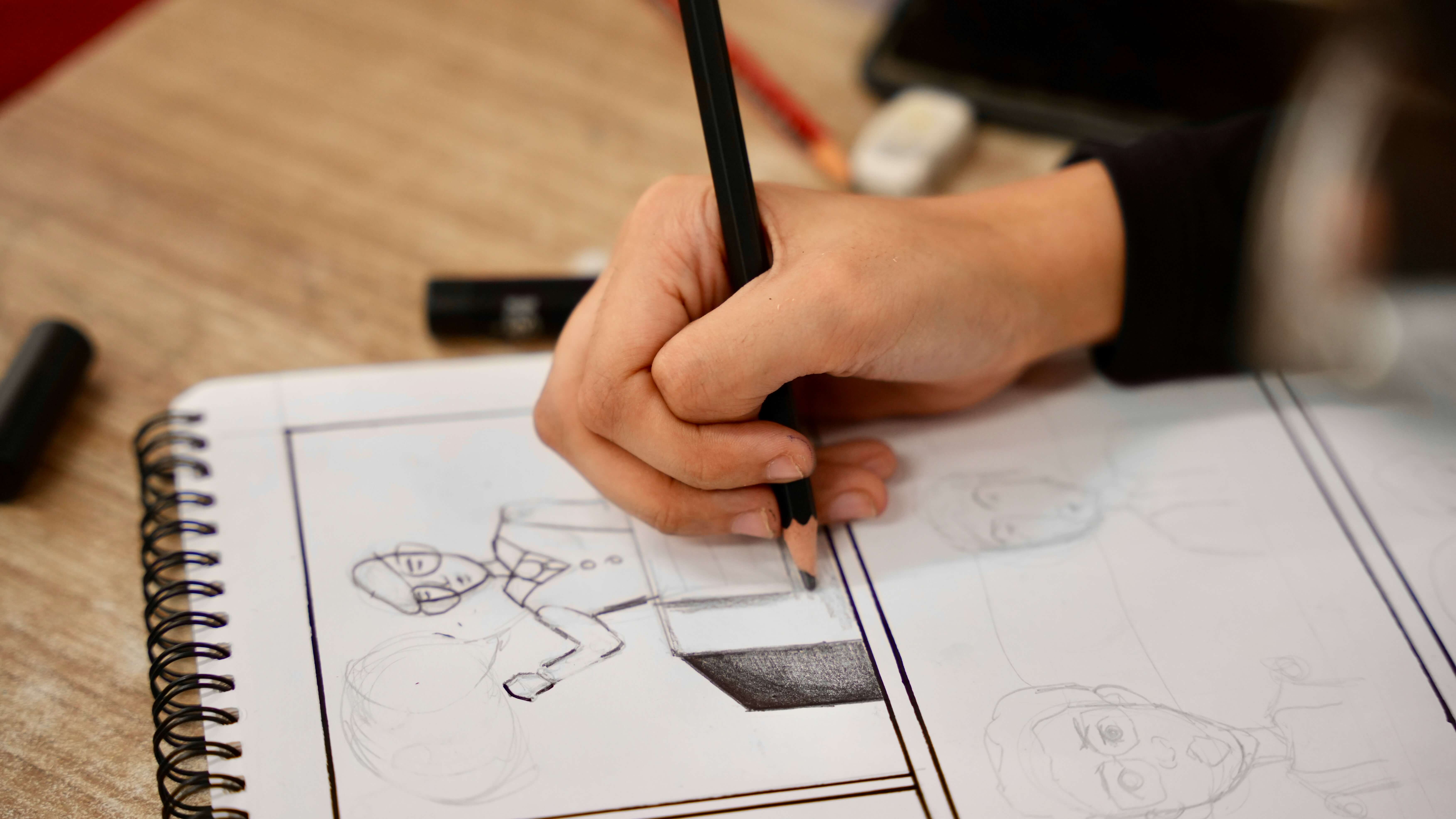
Main Image Credit: Unsplash
Comic Strip Credit: Little Nemo in Slumberland by Winsor McCay (1906). Public domain. Image via Wikimedia Commons.